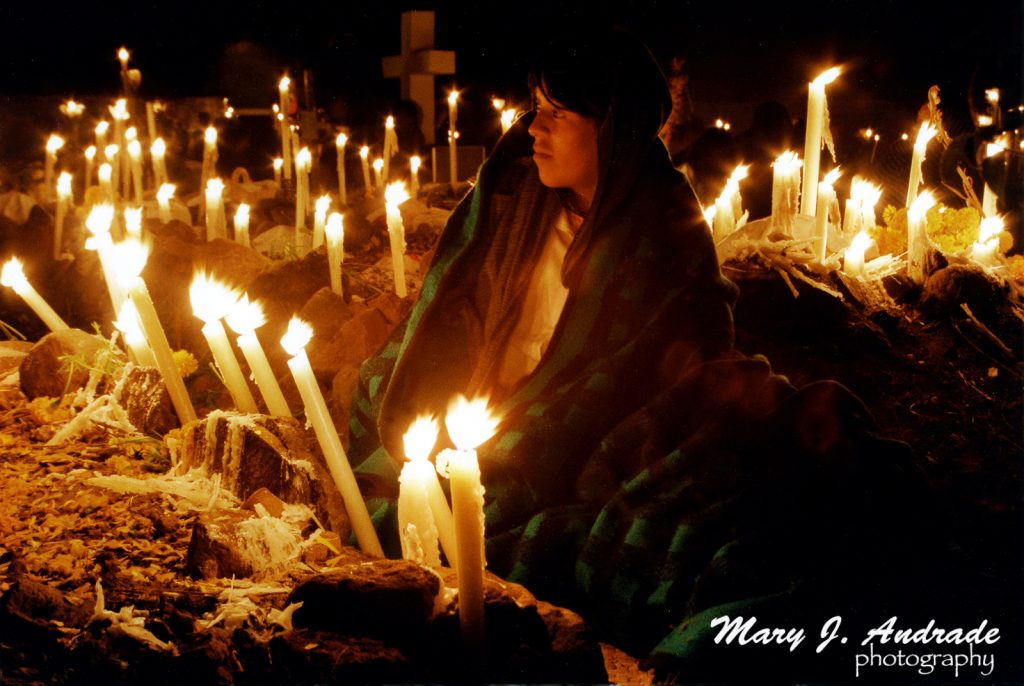
Vigil at Night

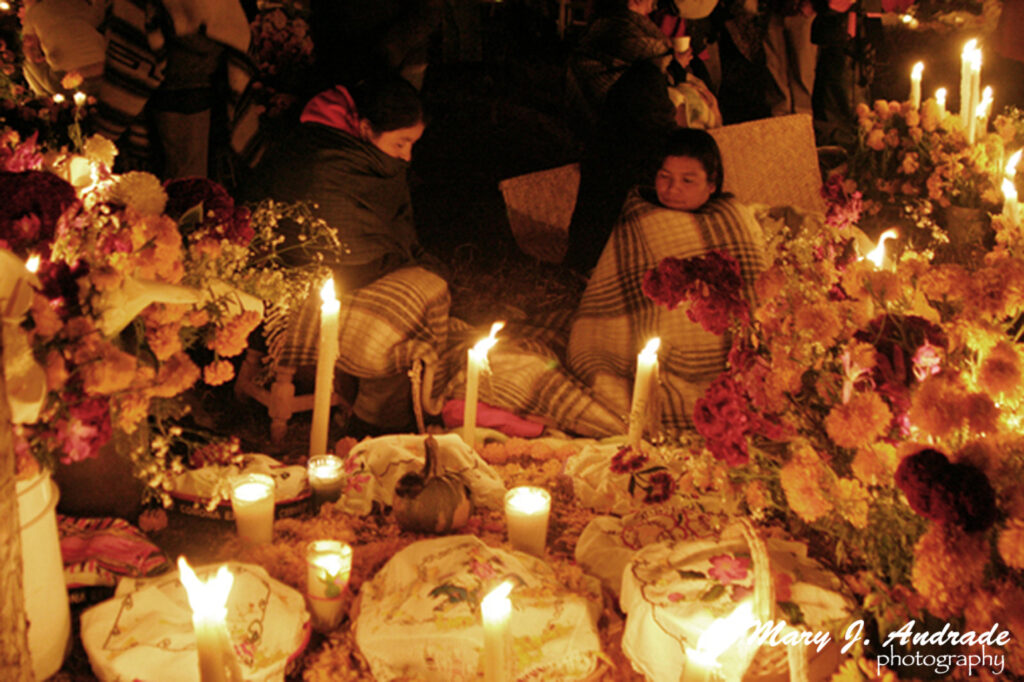
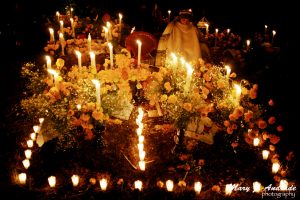
Vigil at Night

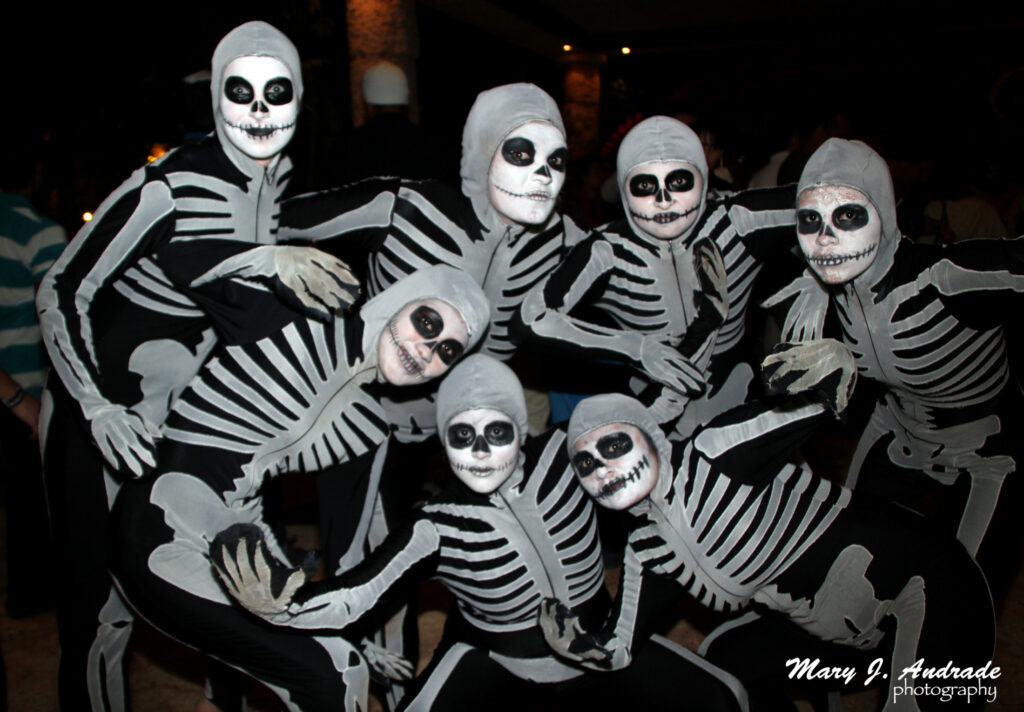
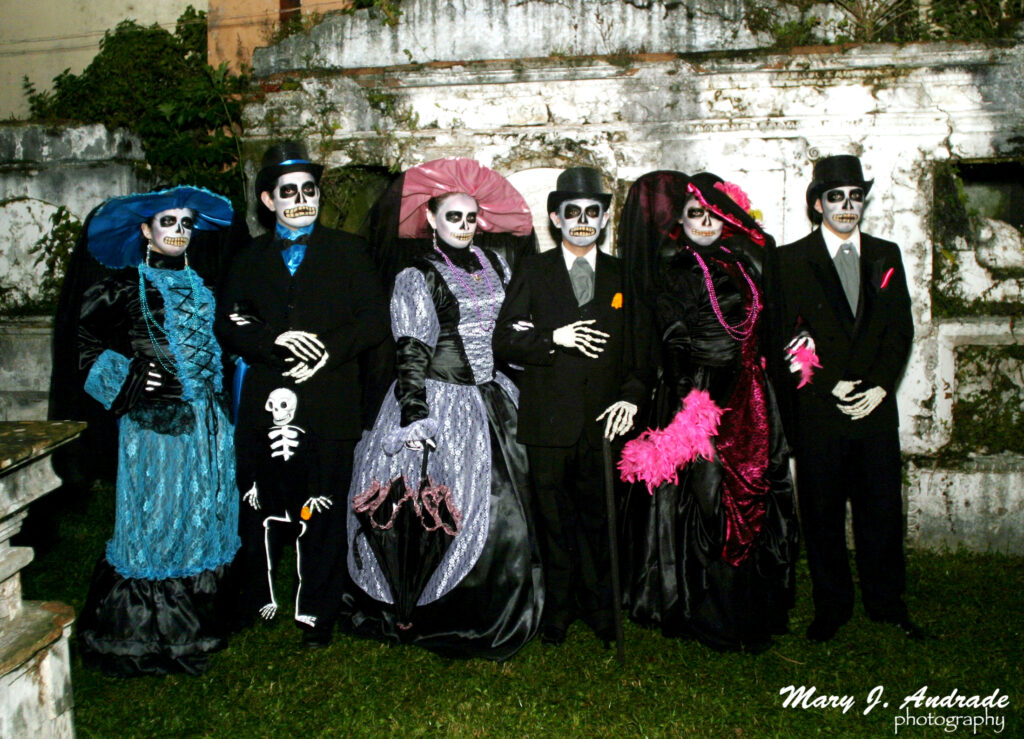
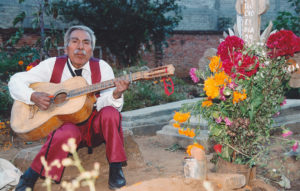
Candle light vigil at cemetery

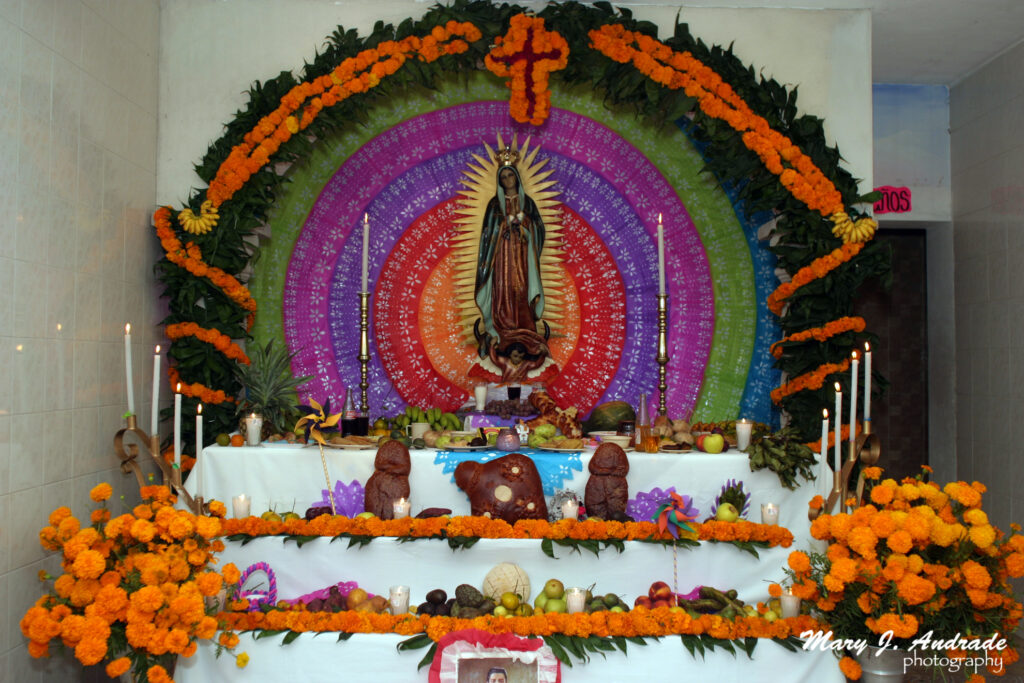
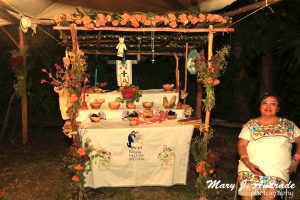
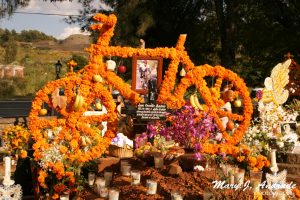
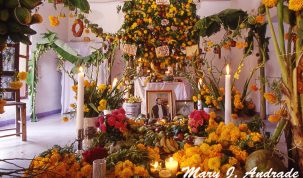
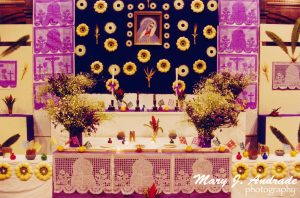
Altars

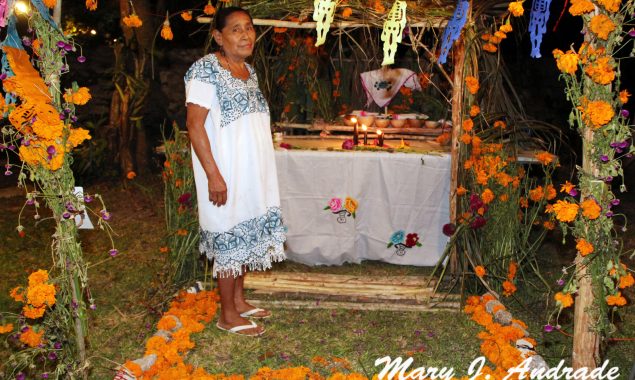
Altars

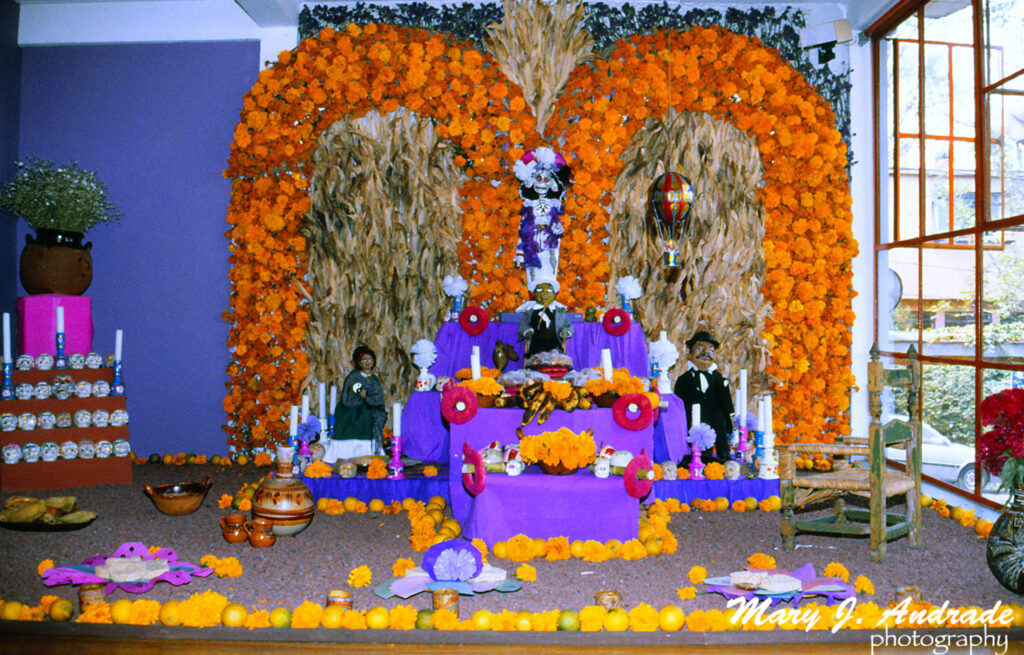
Altars decorated with flower arrangements.

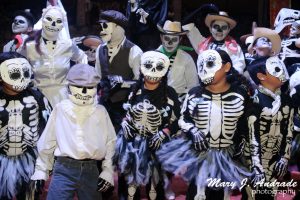
Sugar Skulls

Sugar Skulls

Sweet sugar skulls and scheletons.


Gastronomy

Gastronomy

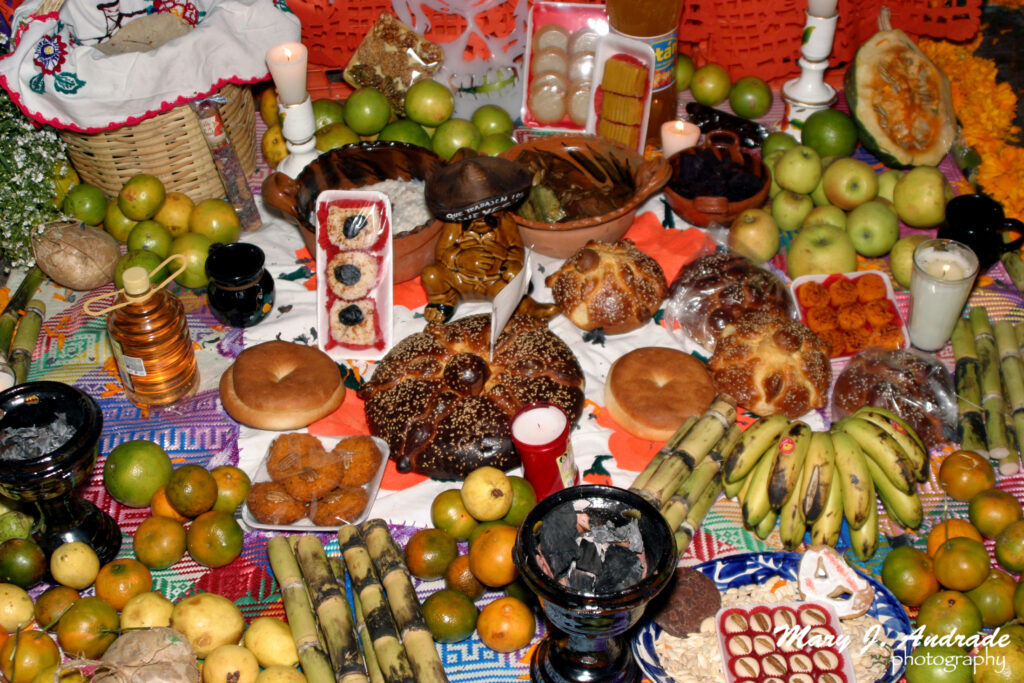
Great food for the dead!

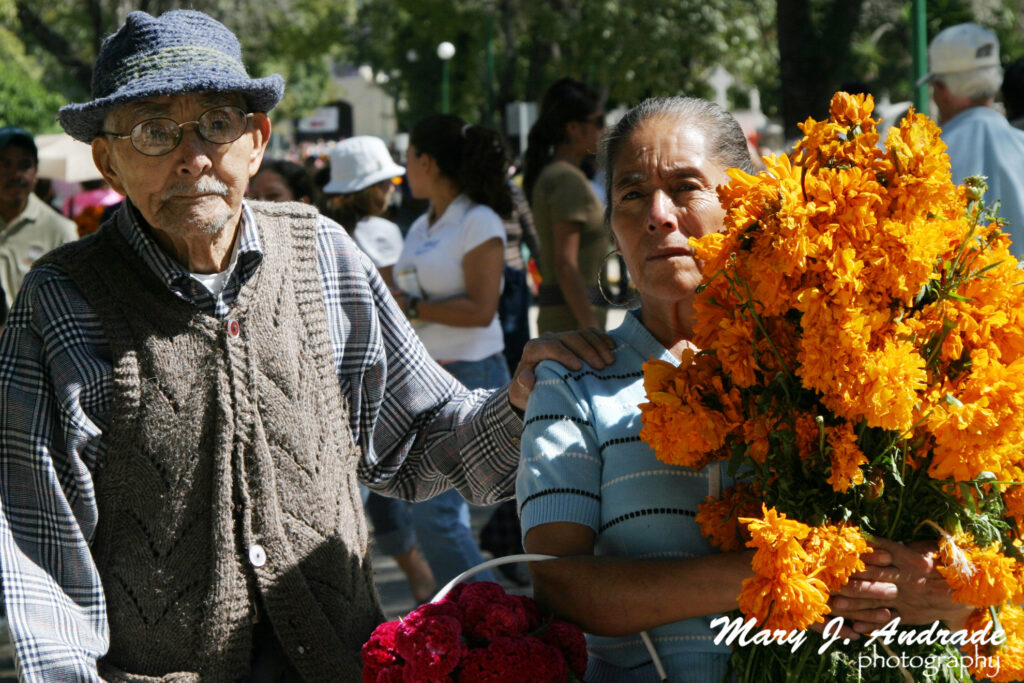
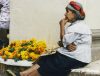
Flowers

Flowers

Flowers are an intrical part of the celebration

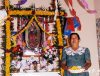
Guatemala

Guatemala

Celebrates Day of the Dead.

Mexico Celebrates Life


Velación en el cementerio

Mexico celebrates a yearly tradition called Day of the Dead during the last days of October and the first days of November. Due to the duration of this festivity and the way people get involved it has been called "The Cult of Death."

Desfile TzintzuntzanAs in many Latin American countries, Mexico commemorates the Day of the Dead or All Souls’ Day on November 2nd. The legacy of past civilizations is graphically manifested on this occasion through people’s beliefs that death is a transition from one life to another in different levels where communication exists between the living and the dead. This communication takes place once a year throughout the country. Differing from the Roman Catholic imposed ritual to commemorate All Souls’ Day, which is observed in many countries, the custom established by pre-colonial Mexican civilizations become a ceremony where indigenous beliefs blended with Catholic beliefs. Therefore, the Day of the Dead in Mexico is not a mournful commemoration but a happy and colorful celebration where death takes a lively, friendly expression. Blessing the altarIndigenous people believed that souls did not die, that they continued living in Mictlan, a special place to rest. In this place, the spirits rest until the day they could return to their homes to visit their relatives. Before the Spaniards arrived, they celebrated the return of the souls between the months of July and August. Once arrived, the Spaniards changed the festivities to November 2nd to coincide with All Souls’ Day of the Catholic Church. Presently, two celebrations honoring the memory of loved ones who have died take place: On November 1st, the souls of the children are honored with special designs in the altars, using color white on flowers and candles. On November 2nd the souls of the adults are remembered with a variety of rituals, according to the different states of the Mexican republic. The celebrations of Day of the Dead or All Souls Day are referred to differently in some of the states. For example in ... continue reading part 2>


PASIÓN POR LA VIDA DÍA DE LOS MUERTOS EN MÉXICO

Una vez al año conviven en México los vivos con los muertos. Inspirados por la creencia que la muerte es una transición de una vida a la otra, celebran durante los últimos días de octubre y los primeros días de noviembre, el reencuentro con el recuerdo de sus seres queridos. La ocasión: el Día de los Muertos. Altar en MéridaA diferencia del ritual católico establecido para conmemorar el ampliamente celebrado Día de Todos los Santos, la costumbre que establecieron las culturas mexicanas pre-coloniales intercala las creencias indígenas con las católicas. Es una celebración alegre y colorida en la que la muerte asume una expresión vivaz y amistosa. Los pueblos prehispánicos creían que las almas no morían, que seguían viviendo en un lugar especial llamado Mictlán. Allí descansaban hasta el día en el que podían volver a sus hogares a visitar a su familia. CementerioAntes de la llegada de los españoles, los nativos celebraban la regreso de las almas entre los meses de julio y agosto. Los españoles cambiaron las festividades al 2 de noviembre, para coincidir con el Día de Todos los Santos de la Iglesia Católica. En la actualidad se realizan dos celebraciones para honrar la memoria de los difuntos amados. El primero de noviembre se honran las almas de los niños con diseños especiales en los altares, implementando el color blanco en las flores y las velas. El dos de noviembre se recuerda las almas de los adultos con una variedad de rituales. Cementerio HoctúnEl Día de los Muertos o el Día de Todos los Santos, se denomina de manera distinta en algunos de los estados. Por ejemplo, en Yucatán se conoce como Hanal Pixán, o el paso de las almas sobre la esencia de los alimentos. En las alturas de Michoacán, se conoce como Jimbanqua, o la festividad que honra con flores a las personas que ese año fallecieron. En San Luis Potosí, Hidalgo y en el sur de Oaxaca se conoce como Xantolo. Es una tradición ancestral que, intercalada con el catolicismo, resultó en un momento y espacio especiales para celebrar la vida y el legado de los seres queridos, ofreciéndoles en un altar la fragancia de las flores, la luz de las velas, el aroma de la comida y la solemnidad de las oraciones.

Pan de Muerto

Continua en la parte 2


CBS 5 Interview with Mary Andrade

Mary Andrade shares her knowledge about the Day of the Dead Celebration in Mexico with CBS 5 / KPIX TV in San Francisco, CA. This interview is part of the "Hispanic Heritage Month" and featured by CBS 5. To view the interview please follow this link (note that it starts with a short commercial) http://cbs5.com/video/?id=39318@kpix.dayport.com To view the "Hispanic Heritage Month" spot trailer please follow this url: http://cbs5.com/video/?id=74203@kpix.dayport.com To learn how Hispanic Heritage Diversity is being celebrated in the San Francisco Bay Area please follow these two links: http://cbs5.com/community/Celebrate.Hispanic.Heritage.2.816365.html http://cwbayarea.com/community/kbcw.community.hispanic.2.810161.html

steve smith's picture

I found your site in google when I was looking up blogs. I realy like what you have done and just wanted to leave a comment saying so. Cheers


Recent Articles


History stars at Mexico City hotel

Opened 102 years ago, the Hotel Geneve in the Zona Rosa of Mexico City focuses on the past. Décor is from the early 20th century at an establishment that lodged Winston Churchill and also Charles Lindbergh while he wooed Ann Morrow, then the daughter of the American Ambassador.

Ron Butler rip

Ron Butler, who frequently wrote about Mexico and its appeal to him, died recently of a heart attack in Tucson, according to reports reaching Mexico City. After a career with several magazines in New York City, Ron took up freelancing and settled in Arizona, where costs are lower. Among his proudest accomplishments was his book, “Dancing Alone in Mexico.”

Mazatlan gets warning and more money

Oscar Fitch, director of the Mexican Tourism Promotion Council, revealed that next year 6.5 million dollars will be invested in promoting Mazatlán, 1.5 million more than last year. Fitch attended the 15th Festival de Amigos, organized to thank all tour operators, airlines and others who have helped the Mazatlán hospitality industry. An executive with a Canadian airline said that Canadians have booked a record 12,000 rooms in Mazatlán for the upcoming season. Airline executives attending were told more flights are needed.

Stormy weather

Although Cancun was spared the full wrath of Hurricane Ida, rains and winds did erode some of the already much-eroded beach. Recent efforts to restore the beach have run into legal hassles as Cozumel and Isla Mujeres have objected from sand being mined from what they consider protective underwater banks.

Rains, meanwhile, have left many areas along the Gulf coast flooded. Especially hard hit were Tabasco and Veracruz, favorites with tourists seeking out attractions “off the beaten path.” November, however, sees few tourists coming to Mexico.

By Jimm Budd

Puerto Peñasco airport

Puerto Penasco, better known north of the border as Rocky Point, gets its own international airport today, officially known as Mar de Cortés (Sea of Cortés) airport. Rocky Point at the top of the Sea of Cortés and is known by some as Arizona’s beach. Although it is only about a two-hour drive from Tucson, it is more like five hours from Hermosillo or Mexicali, the closest large cities in Mexico.

Mexico City woos the sick

Mexico City has created a Medical Tourism Council that aims to promote the metropolis as a destination where ill and infirm Americans can come for a cure. It is estimated that a medical tourist in town for a week would leave behind 13,000 dollars. The average visitor from abroad stays in the capital only two or three days.

According to the local government, 300,000 Americans sought medical treatment abroad last year. Goal is to attract 15,000 of these to Mexico City where they would be treated by physicians trained in the United States. Savings apparently would be enormous.

Who's New

llamagirl79
cannonxball
mindfulmami
Zork
myfaerielady
sawnna
Svon87
mireillem
eddybeyond
alter altar
hhhh
harakas13

Photo Gallery

Who's Online

llamagirl79